
John Doe
We were making our way to the Rila Mountains, where we were visiting the Rila Monastery where we enjoyed scrambled.
Populist leaders have gained popularity in many countries, often challenging traditional institutions. This article looks at what populism is, why it appeals to voters
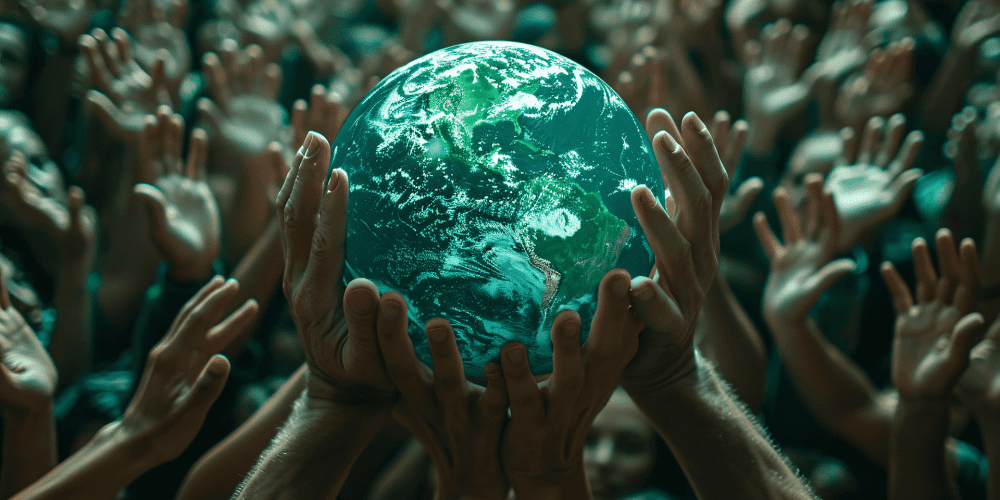
Politics affects every part of our lives — from the roads we drive on to the education we receive, the healthcare we access, and the freedoms we enjoy. Yet, many people feel disconnected from it. Some believe their vote doesn’t count, or that politics is only for those in power. But the truth is, politics is about people — and every voice matters.
At its core, politics is the process by which communities make decisions. Whether at the local, national, or global level, political decisions shape laws, budgets, and priorities that affect millions. When people participate — by voting, speaking out, or running for office — they help ensure these decisions reflect their needs and values.
“Health is not just about the food we eat; it’s about the choices we make every day to nourish our body, mind, and planet.”Cal Newport
One of the most important aspects of political engagement is voting. In democratic societies, voting is a powerful tool for change. It gives citizens a say in who leads them and how resources are managed. Yet in many countries, voter turnout remains low. This creates an imbalance, where decisions are made by a few instead of reflecting the majority.

Political awareness is also essential. In an age of social media and fast news cycles, it’s easy to be misinformed or overwhelmed. But staying informed about policies, leaders, and global issues helps people make better choices — and hold those in power accountable. Critical thinking, fact-checking, and respectful debate are key to a healthy political culture.
However, politics isn’t perfect. It can be divisive, frustrating, and sometimes corrupt. But disengagement only worsens the problem. When good people step back, bad actors step in. That’s why political education and civic participation are so important — especially for young people. They are the future voters, leaders, and policymakers.
In the end, politics is not about parties or power — it’s about people. It’s about the world we want to live in and how we get there. The more we understand it and take part in it, the stronger our democracies become.
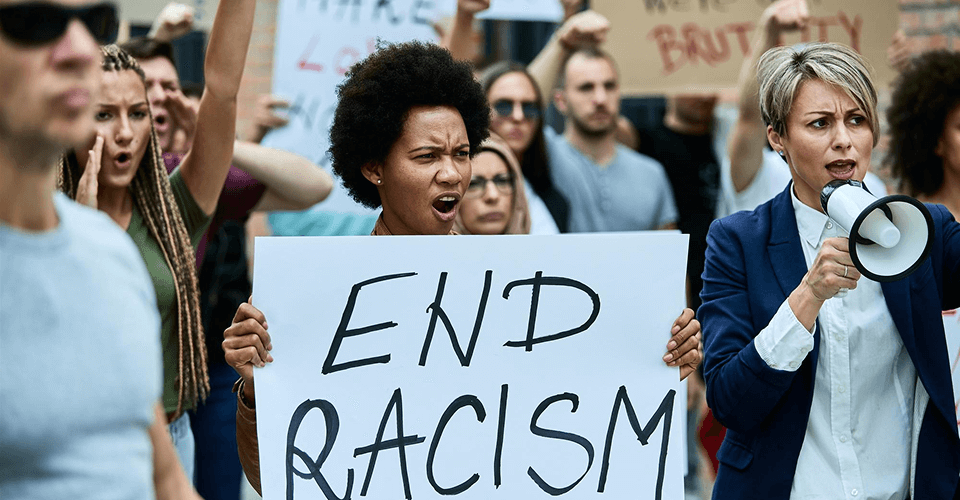

Politics also shapes social justice. Civil rights movements, gender equality campaigns, and climate change action all begin with political pressure. History shows that change often comes from the bottom up, led by ordinary people who demanded better from their leaders. Political involvement can turn frustration into progress.
A 2019 study published in the Journal of Nutrition found that individuals who follow a plant-based diet tend to have lower body mass indexes (BMIs) compared to those who consume animal products.