John Doe
We were making our way to the Rila Mountains, where we were visiting the Rila Monastery where we enjoyed scrambled.
Artificial intelligence is making waves in healthcare, from diagnosing diseases to personalized treatment plans. This blog discusses the role of AI in medical advancements

Technology is evolving at a pace never seen before. From artificial intelligence to biotechnology, the innovations that were once confined to science fiction are now shaping the present and future of our world. Every new advancement brings with it the potential to revolutionize industries, solve global challenges, and enhance everyday life in ways we never thought possible.
One of the most exciting areas of technological growth is Artificial Intelligence (AI). AI is no longer just a tool for tech giants but is becoming integrated into various industries. From healthcare and education to finance and entertainment, AI systems are being used to analyze data, predict trends, and even make decisions. It’s enhancing efficiencies, providing insights, and helping organizations deliver better services. But as AI continues to improve, it’s also raising questions about ethics, privacy, and the future of work.
In parallel, 5G technology is set to change the way we connect with the world. Offering lightning-fast internet speeds and ultra-low latency, 5G is the backbone that will support the next generation of smart devices and applications. It will enable advancements in areas like autonomous vehicles, smart cities, and remote healthcare. As the infrastructure for 5G continues to roll out globally, it will unlock a new era of connectivity and innovation.
“Health is not just about the food we eat; it’s about the choices we make every day to nourish our body, mind, and planet.”Cal Newport
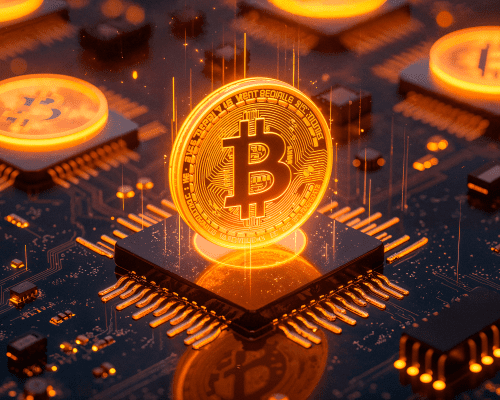
Another game-changer is Blockchain technology, which is fundamentally transforming the way we think about security and transparency. While initially associated with cryptocurrencies like Bitcoin, blockchain is being adopted across industries such as banking, supply chain management, and even voting systems. Its decentralized nature makes it highly secure and transparent, with the potential to eliminate fraud, reduce inefficiencies, and create new opportunities for data integrity.
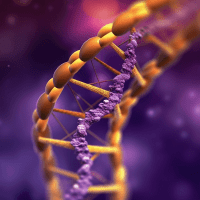
Biotechnology is another field where technology is making remarkable strides. From gene editing techniques like CRISPR to personalized medicine, biotechnology is revolutionizing healthcare. It’s enabling researchers to target specific genes that cause diseases, leading to potential cures for previously untreatable conditions. Advances in biotechnology are also creating new ways to address environmental challenges, like developing sustainable sources of food and energy.
One of the most well-documented benefits of a plant-based diet is its ability to reduce the risk of chronic illnesses such as heart disease, diabetes, and certain types of cancer. Studies have shown that plant-based diets are rich in fiber, antioxidants, and healthy fats, all of which contribute to improved cardiovascular health.
Another game-changer is Blockchain technology, which is fundamentally transforming the way we think about security and transparency. While initially associated with cryptocurrencies like Bitcoin, blockchain is being adopted across industries such as banking, supply chain management, and even voting systems. Its decentralized nature makes it highly secure and transparent, with the potential to eliminate fraud, reduce inefficiencies, and create new opportunities for data integrity.
Biotechnology is another field where technology is making remarkable strides. From gene editing techniques like CRISPR to personalized medicine, biotechnology is revolutionizing healthcare. It’s enabling researchers to target specific genes that cause diseases, leading to potential cures for previously untreatable conditions. Advances in biotechnology are also creating new ways to address environmental challenges, like developing sustainable sources of food and energy.
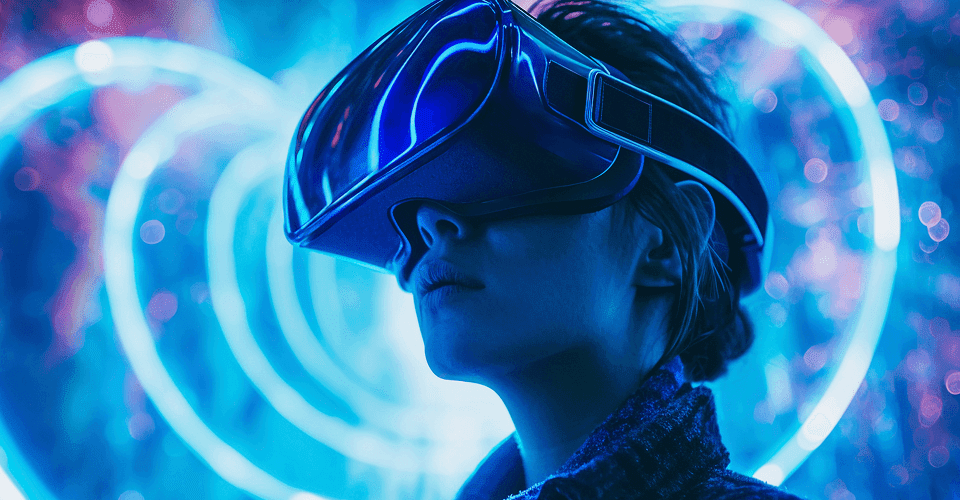
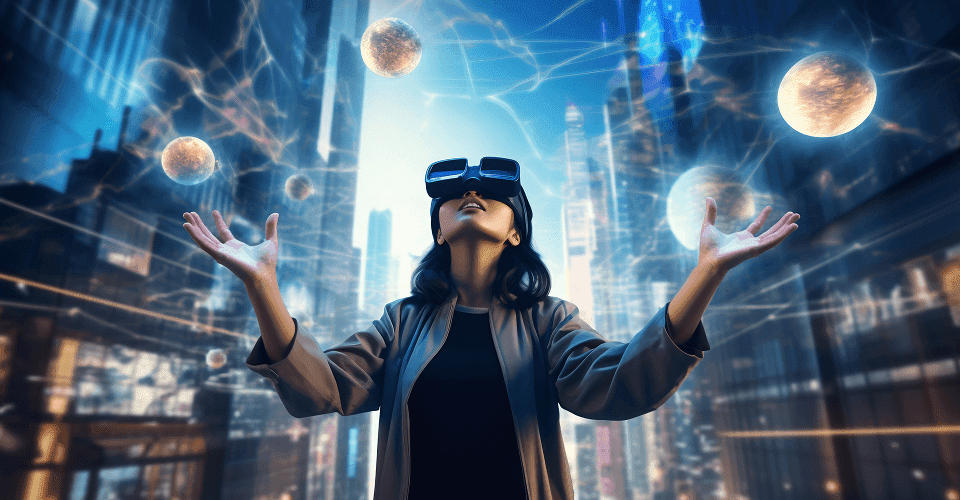
Finally, Virtual Reality (VR) and Augmented Reality (AR) are changing the way we experience the world. While VR immerses users in entirely digital environments, AR overlays digital information onto the real world. Both have huge potential in fields like education, entertainment, training, and therapy. VR is already being used to simulate complex surgeries for medical students, while AR is being incorporated into retail, allowing consumers to visualize products before buying them.
The future of technology holds endless possibilities, but it’s not without challenges. Issues like cybersecurity, data privacy, and the digital divide need to be addressed as we move forward. Nonetheless, there’s no denying that technology will continue to reshape our lives, creating a more connected, efficient, and innovative world.